WoodLand Roofers

Tag: Storm Damage Roofer Services in The Woodlands Texas

  • Here’s A Checklist To Identify Storm Damage to Your Roof!

    Here’s A Checklist To Identify Storm Damage to Your Roof!

    It is storm season in Texas and for many home and building owners, that might mean storm damage that requires roofing repair.

    What is a good way to know if your roof sustained damage and you need to get roofing repair services?

    Use this quick and handy checklist to check out your roof after the bad weather subsides to detect hail and wind damage and other problems that need attention right away to salvage your roof!

    1. Know What To Look For

    Storms in Texas can produce a variety of weather issues, ranging from hurricane-force winds to baseball-sized hail to torrential rains.

    Any of these can cause damage that needs the immediate attention of a roof repair services.

    By knowing what to look for after the bad weather subsides, you can easily identify the damage and then take the appropriate measures to get storm damage roofers to repair the roof before it progresses into worse problems that could eventually threaten the entire home or building.

    Types of storm damage seen on roofs may include?

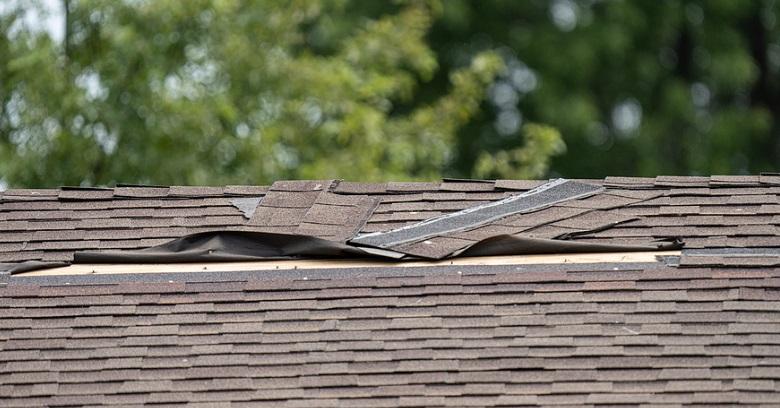
    • Wind Damage – Look for missing, bent, broken, or loose shingles as well as flashing over the roof.
    • Hail Damage – Larger hail results in more damage like dents, cracks, and breaks it any roof.
    • Leaks or Pooled Water – Leaks noticeable under the roof or standing water on it can result when roofing materials have been damaged.
    • Debris Damage – Objects blown onto the roof can damage exterior materials or even perforate the roof.

    2. Make A Visual Assessment

    Now that you know what kind of damage can occur after a storm, look for the signs that would require calling a storm damage roofer to make some repairs.

    Wait until it is safe, then do a preliminary visual assessment of your roof to look for following problem areas.

    • Roof – Using binoculars from the ground and looking out any windows that offer a view of the roof, inspect it from all sides looking for broken, cracked, torn, or dented exterior materials that could require roofing repair.
    • Flashing and Vents – Look at all the flashing and seals around protrusions and vents as well as in angles and corners to ensure the flashing is all there and not bent or otherwise damaged and no longer water tight.
    • Gutters – Check all gutters around the whole building looking for missing, storm damaged, or clogged sections preventing proper drainage.
    • Attic – Go inside the attic and look for signs of active or old storm damaged roofing leaking in the form of stained or rotting beams, wet or damp insulation, holes allowing light to shine through the roof, and stored items that have been water damaged.

    3. Call An Experienced Storm Damage Roofer

    If you find any of the above storm damage after bad weather, it is time to have a storm damage roofer examine the roof.

    Leaving what may seem like minor problems for later can result in much greater damage and eventually more expensive roof repairs.

    If you don’t already have a trusted storm damage roof repair service, get referrals from friends or online to find an experienced contractor to look at your roof and provide a detailed estimate of the necessary roofing repair that includes pricing and warranty information.

    Have more than one estimate done to compare noted damage and fees to be sure of getting complete repairs at a fair price.

    Pay Attention After Every Storm

    Spring and fall are active storm seasons in Texas, with many storms causing extensive roof damage as they pass through.

    As repetitive as it may seem, it is important to go through this easy checklist after every bout of bad weather to ensure your home has not sustained wind damage, hail damage, or some other storm-related concern.

    If you have any questions about the condition of your roof or see something that looks out of the ordinary, err on the side of safety by having a qualified storm damage roofer do an inspection before the next storm hits!
    Need Storm Damage Roof Repair in The Woodlands Texas?

    Woodlands Roofers Offers Complete Storm Damage Roofing Repair Services!

    Call (832) 410-4633 Right Away!

  • Roofers Explain About Synthetic and Felt Underlayment!

    Roofers in The Woodlands Texas

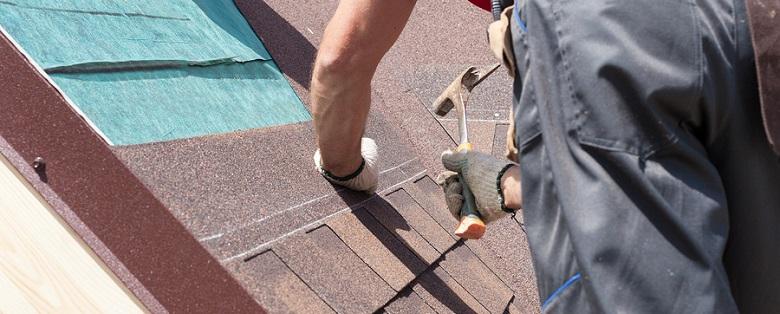
    When installing a new roof or repairing storm damage, roofers must remove more than just the top shingles to get down to the underlayment. Underlayment is the protective layer between the decking and the exterior roof surface and is an essential component that must be repaired along with the outer layers.

    This material is available as either felt paper or a synthetic barrier, with pros and cons to each. In either case, it is important that storm damage roofer services use some type of underlayment when making any repairs or installing a new roof to provide the highest level of water tightness.

    Felt Paper Underlayment

    Felt paper is the traditional underlayment that roofers have used for decades as the main leak barrier between wood decking and exterior shingles or metal panels. This material is made using felt paper, fiberglass, asphalt, and a number of other waterproofing compounds. This protective paper comes in rolls of a #15 weight. It also comes in a #30 weight, but many professionals argue whether the thicker, more expensive variety is any more useful than the #15.

    The felt paper is rolled out over the decking and attached, giving the bare wood a watertight, yet breathable barrier under the shingles that does not prevent essential ventilation.

    Synthetic Membrane Underlayment

    In an effort to improve upon felt paper underlayments currently in use, synthetic varieties of underlayment have been developed over the last few years. This type of underlayment is produced by weaving polymer and polypropylene together into a stronger, lighter, and more watertight fabric that has a number of improved properties over felt paper.

    Synthetic underlayment is also breathable to promote ventilation and can be more forgiving with perforations such as roofing nails and anything that creates a small hole. Some storm damage roofer services prefer synthetic underlayment due to this quality.

    Which Underlayment Is Better?

    Felt paper has been used successfully for a long time. It is the least expensive, most common underlayment option available and the one most used by general roofers. The main differences between felt and synthetic are the way they react to application with high-impact nail guns.

    Felt paper tends to experience fine cracks and splits around the nail holes, while synthetic membrane barriers actually seal around the nail. Felt paper underlayment can last many years without any leaks provided the shingles or panels above it stay in good shape. It may eventually leak around nail holes as it ages if it is exposed to large amounts of water to the shingles.

    Synthetic underlayment is much more durable and can protect the decking longer, thereby reducing the chance that leaking water will seep through the nail holes. From a performance standpoint, the synthetic underlayment can protect better over time, which is why many storm damage roofer services now prefer it; however, it can add extra cost to roofing installation.

    Which underlayment should roofers use when working on a home? Owners should discuss the pros and cons of each type with a local storm damage roofer service in order to make the best choice. Synthetic costs more, yet may provide better protection if there is a considerable risk of leaks. Felt paper is more affordable and has been used reliably for decades. As more contractors become familiar with synthetic membrane underlayment, many are beginning to recommend this greater protection to their customers!

    Need Roof Repair In The Woodlands Texas?

    GMA Restoration Is The Roofers You Need!

    Call (832) 410-4633!