WoodLand Roofers

Category: Roofers In The Woodlands Texas

  • Do You Know Why Your Roof’s Drip Edge Must Be Done Right?

    Do You Know Why Your Roof’s Drip Edge Must Be Done Right?

    Often improperly installed or simply forgotten altogether, a drip edge is a critical element of any roof.

    This strip of metal that hides under the edge of the roofing is instrumental in its purpose, which is to keep water rolling off the roof from soaking the facia and underside of the roof’s edge.

    To protect your roof, make sure the drip edge is installed correctly by roofers so it works as it should!

    What Is the Correct Installation of A Drip Edge?

    Though many drip edges get installed under the edge of the roof so they are attached directly to the fascia board, this installation is incorrect and could cause water to seep and wet the fascia.

    A correctly installed drip edge done by qualified roofers is forward from the fascia, attached instead to a furring strip nailed to its top edge.

    This little bit of distance between the fascia and the back of the drip edge is all that is needed to be certain that no water seeps behind the strip but drips off it instead, as it has been designed.

    Positioned incorrectly on the roofing, there is a risk that the fascia could rot if it frequently gets wet.

    Why Is A Correct Installation So Important?

    When it’s been installed correctly by a knowledgeable roofer, the drip edge provides some important benefits in order to avoid costly damage to your roof:

    • Prevents Water Getting Under the Shingles – The primary purpose for a drip edge is to prevent water from rolling over the edge of the shingle on the roof and then underneath where it will be sucked up by the uncoated side of the shingle and the underlayment. Over time, this will cause the decking under the edge of the shingles to rot.
    • Prevents Damage to Fascia Boards – Correctly positioned, a drip edge properly installed by a roofer prevents water from seeping under the edge of the roofing material where it will reach the fascia and cause that unprotected wood to rot over time. The l-shaped design directs water rolling under the edge of the roof off the drip edge and into the gutter, keeping everything else dry.
    • Prevents Ice Damming – By preventing water from rolling under the roof edge and being drawn under the shingles, drip edges also prevent ice damming that can happen if ice forms over the edge of the wet shingles.
    • Strengthens the Edge of the Roof – Applied correctly to a furring strip right up under the underside of the shingles, drip guards add a little extra strength to that part of the roof so the shingles are less likely to be damaged by anything.
    • Prevents Rodents from Getting In – One common way that rodents get into roofing is through gaps in the fascia or by chewing holes in it. A drip edge keeps them from reaching the fascia and finding a way in.

    Make Sure Drip Edges Are Done Right

    Though they may not seem that important, drip edges are definitely a part of roofing that you won’t want to skimp on.

    Make sure your roofer puts drip edges on when doing a new roof and if you don’t have them now, consider having someone add them.

    Most of all, make sure the roofer adds a drip edge correctly so it will protect the edge of your roof in all the ways it should.

    Though they look minor, drip edges play an important role as part of the whole system that makes up your roofing!

    Need Roofing Work Done in The Woodlands Texas?

    Woodlands Roofers Handles New Roofs and Roofing Repair!

    Call (832) 410-4633 to Learn More!

  • How Do I Find A Qualified Roofer To Fix My Roof?

    How Do I Find A Qualified Roofer To Fix My Roof?

    Finding a qualified local roofer can be a real challenge considering how many of them are out there.

    To find one that will do a good job on a new roof or repairs, charge a fair price, and stand behind their work, start off by getting a few referrals from friends, family, or the internet.

    Once you’ve compiled a list of potential roofing candidates, inquire about all the following important details so you can compare and make the most informed decision.

    1. References

    Before getting too involved, ask any roof company to provide customer references that you can inquire with about their dealings with the company and get important feedback from them.

    Past customers are usually happy to explain the experience they’ve had and any problems encountered to give you a good idea as to whether a roofer is reputable to work with.

    Check the Better Business Bureau as well.

    2. Qualifications and Insurance

    Ask to see whether the roofer has any locally required licenses, training qualifications, and memberships in good standing in any local or national roofing associations.

    Then ask for proof of business and workers compensation insurance to protect all persons and property during jobs.

    3. Written Estimates

    Every reputable roofer should be able to provide a detailed written estimate of any roof installation or repair work they might perform with all costs documented and explained so there are no fees hidden that could be a surprise later.

    The estimate should also include any work that must be subcontracted out, any cleanup or disposal fees, and all other expenses that may come into effect during the job.

    4. Explanation of Warranties Offered

    There are multiple warranties offered with roofing work depending on what is being done, the materials used, how they are used, and the roofer performing the work.

    Before agreeing to anything, it’s essential to inquire about which warranties are included in the job, who is responsible for each one, and what the specifications are to maintaining those warranties once the work has been performed.

    Get the roofing company to tell you specifically what must be done to prevent manufacturer warranties from being voided, and what they plan to do to warranty their own work, as well.

    5. Manufacturer Specifications on Materials

    Many manufacturers of premium roof materials insist that the roofers installing them are trained to work with their material in order for the product warranty to be honored.

    In that way, the manufacturer can ensure that the customer receives proper workmanship so that their product can perform as it should.

    Find out if the roofer is certified by the manufacturer to install their products before signing an agreement.

    6. Roofing Process

    Whether looking for a whole new roof or just some repair work, talk about the process any roofer will use to and make sure you are agree with it.

    Most importantly, be certain that the selected roofer will not take cost-saving shortcuts like not stripping off the old roof and that repairs are properly made, not just patched on the surface.

    7. Ventilation

    One of the most overlooked, yet critical components of every roof is proper ventilation, which starts in the attic.

    If getting a new roof or addressing certain issues affecting the current one like shingle damage, dampness in the attic, improving energy efficiency, or other issues, talk to the roof company about ventilation and if they will ensure that your roof has enough before performing the work.

    The longevity of your roofing depends on it.

    Just Ask the Right Roofing Questions

    Roofing work is costly, so it is important to find an experienced roofer who can provide the best work for your investment.

    By asking the right questions, you can find a great roofer in your area to handle all your roofing needs!

    Searching for A Roofer in The Woodlands Texas?

    Contact the Pros at Woodlands Roofers!

    Call (832) 410-4633 To Learn More!

  • Do You Know What Maintenance Your New Roof Needs?

    Do You Know What Maintenance Your New Roof Needs?

    So you just hired a roofing company to install a new roof on your home or commercial building and that structure will be protected from the elements for the next two decades or more – and things are looking good.

    Do you know what happens next?

    While you may not have to worry about that new roof for years to come, that’s only partially true.

    Even new roofs require at least some amount of roof maintenance to ensure they continue to perform well and last their full expected lifetime.

    Follow these simple tips to keep that brand new roof properly maintained so you get your money’s worth from your investment!

    Roofing Maintenance Is Critical

    As perfect as that brand newly installed roof may look today, it starts aging the minute it’s finished and exposed to the elements.

    Roofs withstand a lot of extremes that gradually wear them out and break them down.

    The only way to slow this process from day one is have a good roofing maintenance program and keep records of all work performed.

    Inspection, prevention, and repairs when required are what will protect your roof and insure that it lasts as long as it’s meant to.

    Perform Regular Roofing Inspections

    A highly important part of roof maintenance and what is most overlooked is hiring a roofing company to perform routine inspections.

    Right from the start, it’s critical to keep an eye on the roof to be sure that there are no problems with the workmanship that appear over time, problems with the materials, or unexpected damage.

    Any of these concerns if undetected could result in considerable damage to your new roof and might not be covered by warranties or insurance if not detected and remedied when they first occur.

    In addition, a routine roof inspection every year will allow your roofer to detect any developing problems and take care of them before they cause more deterioration to the roof.

    You may also want to bring your roofer out to do an extra inspection after a bad storm like a hurricane or hailstorm to look for storm damage.

    This type of damage can occur to any roof at any time, even if it’s brand new.

    Keep It Clean at All Times

    Another part of new roofing maintenance is to keep it clean and clear of debris.

    Clean the gutters religiously every spring and fall, then check frequently for leaves, branches, and other debris that may be laying on top as there should be nothing on your roof.

    If your roof is prone to grow moss, mold, or algae, have your roof company come out and do a professional cleaning periodically, as that kind of growth can gradually deteriorate a roof.

    Establish A Maintenance Plan With Your Roofing Company

    Your newly installed roof is a big investment in the protection and value of your home or commercial building, so be sure to keep in mind that roofs need maintenance right from the start to prevent unnecessary damage over time.

    Create a plan with your roofing company once the roof is installed and work together to get a long, full service life from with few problems!

    Just Installed A New Roof in The Woodlands Texas?

    Talk to Woodlands Roofers About Vital Roofing Maintenance!

    Call (832) 410-4633 Today!

  • Will Your Roofing Material Last A Long Time?

    Will Your Roofing Material Last A Long Time?

    Roofs are expensive, probably the most expensive single component on any building.

    Costing tens of thousands of dollars even for a less expensive version, you surely want to invest in a roof that’s going to last a while.

    Do you know how long yours will last?

    Though every type of roofing material comes with a suggested lifespan, there is a lot more at stake when projecting just how long yours will continue to protect your house or work building!

    Roofing Material Lifespan

    Different roofing materials have different lifespans, which is a highly important consideration when you’re having a new one installed by qualified roofers because it really is a case of you get what you pay for.

    Less expensive roofing materials in most cases are not going to last as long as higher quality but more expensive materials in their class, so keep that in mind when choosing.

    To get an idea of how long your roof could last in ideal conditions, start by looking at the suggested lifespan for different popular materials as suggested by the manufacturers:

    • Various Types of Asphalt Shingles – Ranges from 20 to 40+ years depending on product.
    • Wood Shingles and Shakes – Shingles up to 30 years, shakes up to 40 years.
    • Clay, Ceramic, Concrete – 50 years or more.
    • Slate – Up to 100 years or more.
    • Metal Shingles or Panels – 40 to 70 years, sometimes more.
    • BUR Roofing – 20 to 30 years.
    • Asphalt Roll Roofing – 5 to 10 years.
    • Rubber – EPDM roofing 15 to 25 years, TPO roofing 10 to 20 years, recycled rubber shingles 50 to 75 years.

    Workmanship

    When guesstimating the lifespan of any type of roof, it’s important to understand that projected lifespans as stated by the manufacturer are how long the material should last under ideal conditions.

    For starters, this means that the material was correctly applied by skilled roofers who have followed the manufacturer’s installation instructions so the materials are properly laid and stay secure.

    Poor workmanship can significantly decrease the lifespan of any roof, which is why it’s so important to hire a reputable and knowledgeable contractor to install yours.

    Maintenance and Repairs

    The second important factor that can affect how long your roof actually does last in spite of whatever the manufacturer suggests is how well you take care of it.

    All roofs need some maintenance, which varies; some like architectural shingles need very little while others like wood shingles need a lot more.

    Keeping up with maintenance will ensure your roofing stays in great condition and lasts its full lifespan.

    Regular inspections will detect problem areas if followed by prompt roofer repairs to correct those problem areas to maintain your roof and prevent it from wearing out before its time.

    Will Your Roof Last A Long Time?

    Other than inexpensive asphalt roll roofing, most roofs will last at least two decades.

    While that may seem like a long time, time flies before you realize it and replacing any roof whether a home or a business is expensive.

    How long will yours actually last?

    That will depend on the materials used, how they were installed, and the kind of care your roofs receives throughout its lifetime.

    If you choose wisely, work with a qualified roofer, and perform proper maintenance, yours should last as long as its suggested lifespan or even longer!

    Need To Have A New Roof Installed?

    Woodlands Roofers Provide Expert Roofing Services!

    Call Them at (832) 410-46331 Today!

  • Learn How To Prolong The Life of Your Tile Roof!

    Learn How To Prolong The Life of Your Tile Roof!

    A tile roof installation is a wonderful addition to your home that can give it traditional character and greatly improve its appearance.

    Tile is also a favorable choice for roofing replacement due to its energy-efficiency and durability.

    To get a full life out of your tile roof, it’s critical that it receive proper care as if it is ignored, that beautiful tile will deteriorate sooner than it should.

    Prolong the roof of your tile roof and reduce the need for costly repair by following these important tile roof maintenance tips!

    Tip #1 – Stay Off That Tile!

    The number one way to damage a beautiful tile roof is to walk on it as those tiles are a lot more delicate than they may appear; one wrong step can cause them to crack or break under your feet!

    When you have a roofing company install tile, do so knowing that you should always call a professional to do close-up inspections and any needed maintenance or repairs as they have the training and know-how to reach all parts of tile roofs without damaging them.

    Tip #2 – Keep It Clean

    Roof tiles are made from porous, organic material that can hold moisture and other material that promotes the growth of moss and algae which can stain and deteriorate tiles over time.

    Dirt and other debris can collect on the tiles and rot after a period of time.

    To prevent these conditions and keep your tile roof looking and top-performing, it’s essential to clean it periodically and apply a sealant to preserve the surface.

    Since these cleanings must be performed carefully and should never be done with a pressure washer, it’s recommended that you hire tile roofing services to do it for you.

    Tip #3 – Keep the Trees Trimmed

    Trees are responsible for a lot of the damage that can occur to tile roofs as their branches can rub and scrape the tiles as well as break or lift them, while leaves left behind can add to organic debris that can rot and promote algae growth.

    The easiest way to reduce this kind of damage is to keep all trees close to the building well pruned so the branches cannot touch and leaves won’t fall on the roof.

    Tip #4 – Inspect Tile Regularly

    Because tile is more susceptible to damage than asphalt shingles and metal roofs, have your roof professionally inspected at least every two years by a roofing company that can get up high and take a closer look.

    In between those inspections, do your own visual inspection after storms; if anything seems unusual, ask your roofer to check it out right away to prevent further roof damage.

    Tip #5 – Keep Up With Repairs

    If you discover cracked or broken tiles during one of your inspections or any other damage to your tile roof, arrange for roof repair immediately.

    Damage left unrepaired can result in additional damage due to leaking and destruction of the adhesive under other tiles in that area.

    This can lead to more broken tiles and leaks that can slowly do widespread damage over a much larger area.

    Good Care Encourages Tile Roof Longevity

    Ceramic and pottery tile roofs can last almost a lifetime when installed correctly by a skilled roofer and then properly maintained afterward.

    Failure to maintain tile roofs can lead to serious damage over time, shortening their serviceable life so that you need a roof replacement sooner than you should.

    Using these five simple tips, your roof will stay in great condition and remain a beautiful part of your home!

  • If I Have A Roof Warranty – Do I Need To Do Any Maintenance?

    Roofers in The Woodlands Texas

    One common misconception that roofers find many homeowners and commercial building owners have is that the manufacturer’s warranty on their roof will cover almost any damage, regardless of what type of care is provided. Roofer companies know this to be untrue, that failing to provide necessary maintenance or roof repairs could void your warranty. In order to maintain the protection offered by your warranty, you must provide the maintenance outlined in the materials warranty.

    Proper Maintenance Is Essential

    When you have a new roof installed by experienced roofer companies, you expect it to last a long time. Some installations are warranted to last as long as 30, 40, or even 50 years depending on the material type and quality. Even so, your roof still requires a certain degree of maintenance to protect it and ensure warranted materials perform as they should.

    Maintenance provided by qualified contractors in accordance with the manufacturer’s instructions is essential for prolonging the life of your installation. Proper maintenance is also an important factor for determining whether a problem with the actual materials could be due to faulty manufacturing.   

    Neglect the Main Concern

    Most roofers know that many roofs never last to their full life expectancy due to one simple problem – neglect. Failure to conduct regular inspections to detect concerns and provide necessary roof repairs to correct them is the downfall of most roofing.

    A lack of maintenance will negatively affect any roofing system and prematurely age it, whether the materials are defective or not. Neglected roofs are predisposed to leaks, deterioration, and other damage that can threaten the entire system when not detected by roofer companies during regular inspections.

    Valid Warranty Depends on Proper Maintenance

    Failure to hire roofers to do routine inspections and maintenance as well as discover and correct small concerns before they become bigger ones is a significant cause of roof damage. It is also the main reason why many people do not have the recourse of their warranty when their roof fails before it should. Even if the problem would have been covered by the materials warranty under normal conditions, the failure to provide maintenance as instructed will usually void it.

    Material warranties are often voided because it is impossible to differentiate between damage resulting from neglect and damage due to a problem with the material. When a roof has routine inspections and receives proper maintenance, including roof repair when required, problems with the roof can be detected before the damage gets more serious. If the issues stem from some sort of problem with the actual materials, contractors can identify this and make repairs as outlined in the warranty.

    Before you decide that it is okay to skip this year’s roof inspection, think again. Inspections and preventive maintenance by qualified roof companies as required by the manufacturer of your roofing materials will cost you much less than if you have to foot the bill because your warranty is voided. Regular inspections and maintenance by experienced roofers help you stay one step ahead of issues that may require roof repair, as well as any true problems with the installed materials!

    In Need Of Roofer Repair In The Woodlands Texas?

    The Roofers At GMA Restoration Are Here To Help!

    Call (832) 410-4633!

  • Commercial Roofers Talk About Roofs And HVAC Units!

    Roofers in The Woodlands Texas

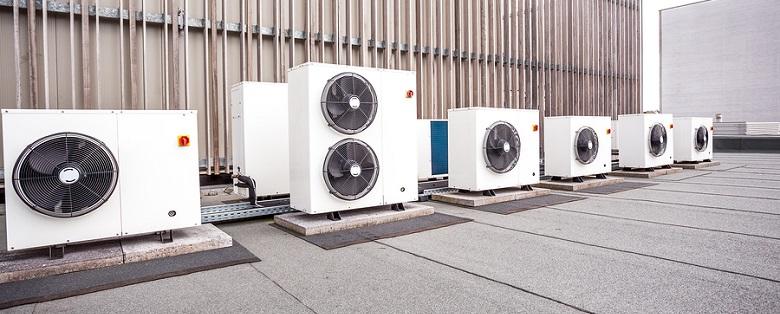
    Most commercial buildings have HVAC units installed on the roof. This makes such units accessible, prevents tampering by anyone on the ground, and allows for proper exhaust and ventilation so they run efficiently. HVAC rooftop installation is a practical commercial solution; however, many roofers find that it can predispose a building to roofing problems.

    Those resulting problems can heighten the need for repairs by roofer services because of a number of known issues caused by rooftop HVAC installations.

    Moisture Problems

    HVAC units remove moisture from the air inside a building; the resulting drained condensation is moved to the outside. When installed on a roof, drained water runs onto the surface of the roof, often pooling around the unit.

    Roofers find this to be a common cause of leaks, especially if a unit was installed after the initial building construction or when the original unit was replaced. Between added surface condensation and the possibility of surface trauma from installation and maintenance, leaks are a concern in these situations.

    Trauma to the Membrane

    Because installation is done on a flat roof surface that includes some type of membrane often covered with gravel, HVAC installation and maintenance is a primary cause of trauma to the membrane surface for a number of reasons.

    • To securely attach these units, the roof must be drilled through which creates new areas that may leak if not properly protected.
    • Roofer services find that contractors walking and working on the top of the building can damage the membrane, causing surface splits and cracks. Not all contractors are trained to protect a flat roof surface when doing maintenance or making repairs on the HVAC.

    Either situation can result in serious issues later on and the need to bring in roofers to make repairs.

    Improper Installation

    Roofer services that make repairs find HVAC installations have often been done with no regard for roof protection or no way to drain condensation from the unit. Many HVAC contractors may not understand just how fragile the membrane system actually is and the various techniques that must be used for damage protection.

    Improper installation can cause tears around the installation area, add to wind uplift of the membrane surrounding the unit, and decrease snow load handling ability of that portion of the roof.

    In light of all these possibilities, HVAC installation must be done carefully by contractors who know how to protect the roof surface. To reduce the possibility of damage that can result in a need for repair by roofer services, it is best that HVAC work be done alongside a qualified roofer, especially when such work is not part of a new construction.

    Experienced commercial roofers play an important role in helping ensure there is proper drainage, well-protected attachment points, and unit placement where it will not cause the membrane surface to be damaged or fail!

    Problems With A Commercial Roof in The Woodlands TX?

    GMA Restoration Offers Expert Commercial Roofer Services!

    Call (832) 410-4633!

  • Roofers Installing Metal Roofing – Avoid These 5 Common Mistakes!

    Roofers in The Woodlands Texas

    Metal panels and shingles make an attractive and highly durable roofing option. They are a popular choice for both homes and some commercial buildings. Yet metal may experience certain problems if the roofers do not install it properly. As simple as it may seem to apply, metal panels must be carefully installed by experienced metal roofer services to avoid five common mistakes that negatively affect these roofs.

    1. Improperly Set Screws

    The most common mistake made by roofers when installing metal panels is setting the screws incorrectly. Per manufacturer directions, the screws need to be put in just tight enough without being set too tightly, which could damage the washers. When they are set too loosely, the panels can move around. Both instances can result in leaks and substantial wind damage if the panels are loose. This is one of the main reasons why it is so important to work with metal roofer services that have experience installing this material.

    2. Improper Overhang Length

    Another common mistake of inexperienced roofers is making the overhang too short or too long. Metal panels should always overhang evenly by one to two inches to offer the best protection for everything underneath. If they hang over longer, drainage problems may result. If they do not hang over at all, water rolling off the roof can seep under the edges and be absorbed by the underlayment and decking.

    3. Improper Flashing Attachment

    Flashing is just as important on metal roofs as it is on any other type of building tops. This flashing is often poorly applied so the metal lips do not overlap properly or the flashing is not securely affixed. Installing flashing on metal roofs can be challenging. To get it right, these protective strips need to be properly overlapped and screwed down so they prevent water from getting under the seams yet stay secure in the wind.

    4. Improper Attachment and Sealing of Pipe Flashing

    In addition to improper overlapping of regular flashing, metal installations require that extra attention be paid to the flashing set around pipe vents and other protrusions. Many lesser-experienced metal roofer services may attempt to seal these areas with some kind of adhesive or roof sealant, which is incorrect. Flashing around pipes must be carefully fitted and screwed down onto the panels to create a watertight covering.

    5. Improper Use of Sealants

    Metal panels must be trimmed, placed, and overlapped correctly for them to be watertight. Sealant should be used sparingly to close up small openings rather than as a main means of closing gaps caused by improper trimming or overlay. Contractors who are less experienced with these installations may resort to the overuse of adhesives and sealants to close off openings caused by improper panel placement. This leaves the entire roof at risk for leaks and increases the chance that poorly overlaid panels will shift over time.

    Before contracting roofers to apply metal panels or shingles, home and building owners should make sure their contractor is an expert in this type of installation. Experienced metal roofer services understand the many challenges of installing this material and know how to avoid the most common and significant mistakes. For the best installation of a metal roof, always work with a well-qualified contractor!

    Thinking Of A Metal Roof In The Woodlands Texas?

    The Roofers At GMA Restoration Are Experienced Metal Installers!

    Call (832) 410-4633!

  • Roofers Explain About Synthetic and Felt Underlayment!

    Roofers in The Woodlands Texas

    When installing a new roof or repairing storm damage, roofers must remove more than just the top shingles to get down to the underlayment. Underlayment is the protective layer between the decking and the exterior roof surface and is an essential component that must be repaired along with the outer layers.

    This material is available as either felt paper or a synthetic barrier, with pros and cons to each. In either case, it is important that storm damage roofer services use some type of underlayment when making any repairs or installing a new roof to provide the highest level of water tightness.

    Felt Paper Underlayment

    Felt paper is the traditional underlayment that roofers have used for decades as the main leak barrier between wood decking and exterior shingles or metal panels. This material is made using felt paper, fiberglass, asphalt, and a number of other waterproofing compounds. This protective paper comes in rolls of a #15 weight. It also comes in a #30 weight, but many professionals argue whether the thicker, more expensive variety is any more useful than the #15.

    The felt paper is rolled out over the decking and attached, giving the bare wood a watertight, yet breathable barrier under the shingles that does not prevent essential ventilation.

    Synthetic Membrane Underlayment

    In an effort to improve upon felt paper underlayments currently in use, synthetic varieties of underlayment have been developed over the last few years. This type of underlayment is produced by weaving polymer and polypropylene together into a stronger, lighter, and more watertight fabric that has a number of improved properties over felt paper.

    Synthetic underlayment is also breathable to promote ventilation and can be more forgiving with perforations such as roofing nails and anything that creates a small hole. Some storm damage roofer services prefer synthetic underlayment due to this quality.

    Which Underlayment Is Better?

    Felt paper has been used successfully for a long time. It is the least expensive, most common underlayment option available and the one most used by general roofers. The main differences between felt and synthetic are the way they react to application with high-impact nail guns.

    Felt paper tends to experience fine cracks and splits around the nail holes, while synthetic membrane barriers actually seal around the nail. Felt paper underlayment can last many years without any leaks provided the shingles or panels above it stay in good shape. It may eventually leak around nail holes as it ages if it is exposed to large amounts of water to the shingles.

    Synthetic underlayment is much more durable and can protect the decking longer, thereby reducing the chance that leaking water will seep through the nail holes. From a performance standpoint, the synthetic underlayment can protect better over time, which is why many storm damage roofer services now prefer it; however, it can add extra cost to roofing installation.

    Which underlayment should roofers use when working on a home? Owners should discuss the pros and cons of each type with a local storm damage roofer service in order to make the best choice. Synthetic costs more, yet may provide better protection if there is a considerable risk of leaks. Felt paper is more affordable and has been used reliably for decades. As more contractors become familiar with synthetic membrane underlayment, many are beginning to recommend this greater protection to their customers!

    Need Roof Repair In The Woodlands Texas?

    GMA Restoration Is The Roofers You Need!

    Call (832) 410-4633!